CURRECNY
Strong NOK Pressures Salmon Industry Margins
Norway's salmon industry faces challenges as a stronger krone cuts export revenues and squeezes profit margins.
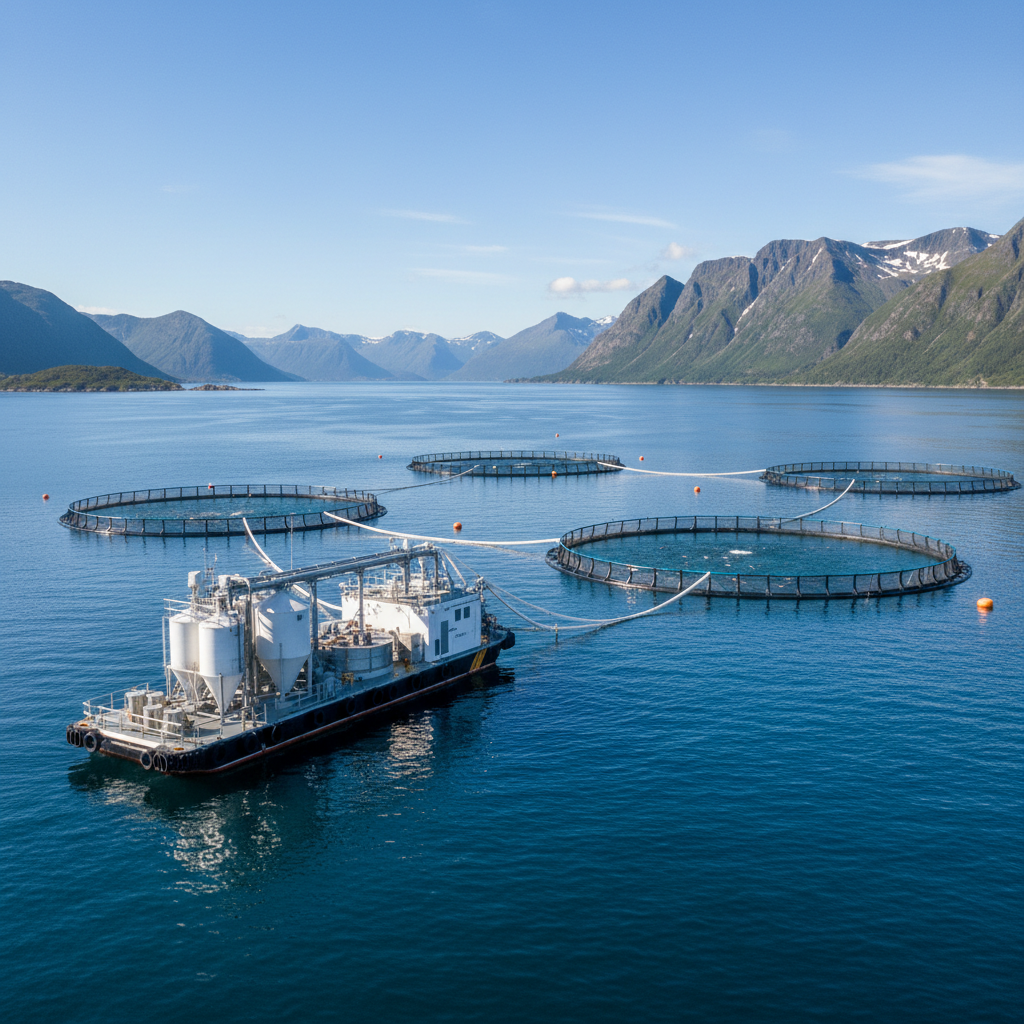
Stronger Norwegian Krone: A Threat to the Salmon Industry's Margins
The Norwegian salmon industry is a global giant, renowned for its high-quality farmed salmon exported to markets worldwide. With an annual production exceeding 1.5 million tonnes and an export value often surpassing NOK 100 billion, the industry is a cornerstone of the Norwegian economy. However, this success story faces a significant challenge: a strengthening Norwegian Krone (NOK) that threatens to erode profit margins and impact the industry's future profitability.
The Double-Edged Sword of Exchange Rates
The salmon industry is largely export-oriented, with the majority of its revenues generated in foreign currencies such as the Euro (EUR), US Dollar (USD), and British Pound (GBP). When these revenues are converted back into NOK, the exchange rate is crucial for determining the industry's net earnings.
Revenue Side: A stronger NOK means that every Euro or Dollar earned abroad yields fewer Norwegian kroner upon conversion. For instance, if the price of salmon is 6 EUR per kilo, and the EUR/NOK exchange rate falls from 11.5 to 10.5, the Norwegian krone revenue per kilo decreases from NOK 69 to NOK 63. This represents a significant revenue drop of almost 9% without any change in the international salmon price. This direct cut in NOK revenues is the primary driver of margin pressure.
Cost Side: Many of the industry's operating costs are denominated in NOK. This includes employee wages, local services, energy, and a significant portion of feed costs, although feed prices are also influenced by global commodity prices and currency. When NOK revenues fall, but NOK costs remain relatively stable, profit margins are dramatically squeezed. While a stronger NOK might make imported inputs (such as certain feed ingredients or technical equipment) marginally cheaper in NOK terms, this effect is often far less significant than the reduction in export revenues.
Specific Challenges and Figures
Recent quarterly reports from major players like Mowi, SalMar, and Lerøy Seafood Group have often cited currency effects as a contributing factor to earnings fluctuations. Even though global salmon prices have been relatively high at times, the impact of a strengthened krone has dampened the positive effect on the Norwegian companies' bottom line.
Reduced EBITDA and Net Profit: A direct consequence is lower earnings before interest, taxes, depreciation, and amortization (EBITDA) and net profit measured in Norwegian kroner. This affects companies' ability to generate capital for reinvestment and dividends for shareholders.
Investment Decisions: Persistent margin pressure could make Norway less attractive for new investments compared to other aquaculture regions with weaker currencies or more favorable regulatory frameworks. This could potentially slow growth in an industry dependent on continuous innovation and capacity expansion.
Competitiveness: Competitors in countries like Chile, Scotland, or Canada, operating with currencies that do not strengthen to the same extent, may gain a relative advantage in terms of lower costs in international currency, or higher revenues in local currency for the same sales price.
Role of the Resource Rent Tax: The introduction of the resource rent tax (grunnrenteskatt) on aquaculture from 2023 has further exacerbated the situation. This tax, based on a share of operating profit, reduces the industry's ability to absorb currency shocks. When margins are already under pressure from currency fluctuations, a significant portion of the remaining profit is taxed further, which can amplify the negative effect on investment willingness.
Strategies to Address the Currency Challenge
The industry is not passive in the face of these challenges and implements several strategies:
1. Currency Hedging: Many companies use currency hedging instruments such as forward contracts or options to lock in a future exchange rate for a portion of their export revenues. This provides predictability but comes with a cost and cannot cover 100% of the exposure.
2. Cost Efficiency: There is a continuous focus on reducing production costs per kilo. This includes improved feed conversion ratios (FCR), better fish health to minimize losses, energy efficiency, and optimization of logistics.
3. Value Creation and Product Development: By moving up the value chain with more processed products (e.g., fillets, portion cuts, smoked salmon), the industry can achieve higher margins that are less sensitive to raw material prices and currency fluctuations.
4. Market Diversification: Although the currency effect is global, diversifying markets can help spread risk and potentially exploit regional price differences.
5. Dialogue with Authorities: The industry actively engages in dialogue with Norwegian authorities to highlight the challenges and seek regulatory frameworks that support the industry's long-term competitiveness and investment capacity, especially in light of the resource rent tax.
Long-Term Outlook
Despite currency and cost pressures, global demand for salmon remains strong, driven by increasing health consciousness and a growing middle class. The Norwegian salmon industry has historically demonstrated a great ability to adapt and innovate. A strong krone is part of the economic landscape, and companies' ability to adjust through operational excellence, strategic financial management, and continuous innovation will be crucial to maintaining Norway's position as a world leader in salmon farming. The challenges are real, but the industry's fundamental strength and global market position provide grounds for optimism for the future.